


Why sound settles the body so quickly
Of all the senses, hearing is the one you cannot close. Your eyes have lids; your ears stay open all night, quietly scanning for anything that might matter. That is why an unexpected bang — a van door, a neighbour's bin — can lift your heart rate before you have even worked out what you heard. Your nervous system treats unpredictable noise as a possible threat, and it stays on watch until the unpredictability stops.
Steady sound gives that watchfulness somewhere to rest. When the background is even and continuous, your brain no longer has to keep checking for changes, and the part of you that was braced for the next interruption can loosen. That is the quiet magic of sound: it does not demand your attention so much as fill the space where your attention was already straining.
Nature sounds: the simplest place to begin
Rain, moving water, wind in leaves, distant waves — these tend to work well because they are rich and complex without being meaningful. There is nothing in them to follow, no melody to anticipate, no words to interpret. Your mind can drift across the surface of them and come back calmer.
- Rain on a roof, a tent or a window is one of the most reliable choices. Look for a long, unbroken recording rather than a short loop that repeats every thirty seconds.
- Streams and rivers sit higher in pitch and can feel refreshing or a little too bright if you are trying to sleep. Lower the volume and see how it sits.
- Waves have a natural rhythm of roughly one every eight to fifteen seconds, which many people find almost respiratory — the sound seems to breathe with them.
- Birdsong is lovely for daytime or for gentle background while you read, but sudden individual calls can pull you out of a sleepy state.
If you can, open a window for the real thing. Even five minutes of genuine outdoor sound while you make a cup of tea does something a recording cannot quite replicate.
Gentle instrumental music — and how to choose it
Music helps when it is steady, unhurried and free of surprises. Aim for something around sixty to seventy beats per minute, roughly the pace of a calm resting heartbeat. Rapid tempo, dramatic swells and percussion will keep you alert even when the piece is beautiful.
Lyrics are usually the first thing to drop. Words engage the language parts of the brain, and before long you are following the story rather than resting. Familiar songs are also risky, because you know what comes next and your mind quietly hums along in anticipation.
Piano, strings, harp and ambient textures all work well. Try to keep the volume just below conversational level — audible, but not something you have to listen past. Once you have found two or three pieces that suit you, play them at the same times each day. Repetition turns the music into a signal: this is the sound of winding down.
Singing bowls and sustained tones
Singing bowls, hand chimes and low gongs work differently from nature recordings. They are not a wash of sound to hide inside; they are a single event with a long, decaying tail. Striking a bowl and following the note until it disappears is a complete practice in itself, and it takes about ninety seconds.
This makes them exceptionally good for transitions. A bowl struck before you open your laptop, before a difficult conversation, or as you get into bed gives your attention one clear thing to ride. Over the evening, the overtones fade into something soft and shimmering, and you may find your breathing has slowed without you deciding anything.
You do not need an expensive set. A single bowl, or a free recording of one, is plenty. If you are using a recording, choose one with long pauses and no talking.
Building a sound routine that fits your day
The most effective approach is to attach sound to something you already do, rather than adding another item to your to-do list.
- Anchors: the kettle boiling, the bath running, the last ten minutes before sleep, the first five minutes after work.
- Duration: ten to twenty minutes is generous. Even three minutes of rain before a meeting counts.
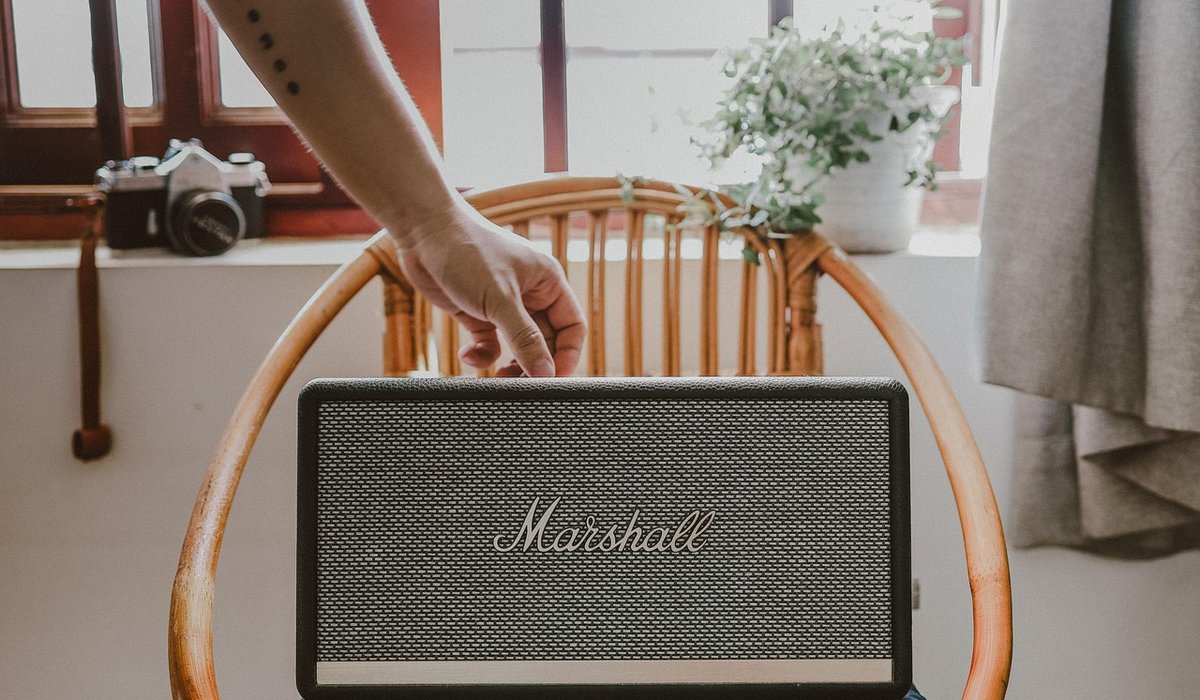
- Equipment: a small speaker is gentler on the ears than headphones for long stretches. Headphones are useful if you share a home.
- Set-up: a timer means you are not checking your phone to see how long is left. Better still, keep the phone in another room.
- Purpose: decide whether you are masking distractions, winding down, or focusing. The same track rarely does all three equally well.
Keeping it honest and kind
Sound is a support, not a cure-all. If you find yourself needing constant noise to feel comfortable, it may be worth noticing what silence is asking of you. Some days, plain quiet will serve you better, and that is worth respecting.
Be considerate in shared homes: agree on volumes, use headphones where you can, and remember that what soothes you may irritate someone else. If you have tinnitus or a hearing condition, keep levels low and take advice before using sustained tones for long periods.
Above all, treat this as an experiment. Try a week of rain at bedtime, a week of slow piano in the morning, a week of one bowl before dinner. Notice which one leaves you breathing more easily, and keep that. The aim is not to fill your home with sound, but to give your attention a gentler place to land.


Leave a reply